العربية | English


Digital Mental Health in SWANA:
What Works, What’s Next?
Insights from Research and Practice
Join the Conversation | Hybrid Conference | Cairo & Online | 15 & 16 July 2025
About the Conference
How are digital mental health solutions transforming the access to mental health care across the SWANA region? What defines success in an online therapeutic environment and what does research reveal about the effectiveness of digital therapeutic interventions? How can we ensure high quality care – not just for clients, but also for the professionals providing online support?
Hosted by Zentrum UEBERLEBEN’s Ilajnafsy Program, this 2-days conference will bring together mental health professionals, researchers, NGOs and digital innovators from across SWANA for the first time to discuss these critical questions. Through keynotes, different thematic workshops, shared best practices and dynamic discussions, participants will gain valuable insights into what works in digital mental health, where common limitations are and which developments lie ahead.
Agenda of the Conference
Explore the full conference program below to see what’s in store. Unless stated otherwise, all keynotes and workshops will be accessible via Zoom upon registration. Interpretation will be available in Arabic and English unless a session specifies a single language.
Browse the schedule to learn more about each session —and don’t miss the chance to get to know the diverse group of speakers bringing deep experience and insight to the conversation on digital mental health in the SWANA region.
Workshops Day 1
- Healing in the Metaverse (VR)? Mental Health in a Virtual World
by Yosra Morsy, Shezlong Egypt
👥 In-person, Arabic
In this interactive workshop, we will explore the role of the Metaverse and virtual reality technologies in advancing psychotherapy methods, with a focus on supporting recovery from loss and psychological trauma. The discussion will include how to design a virtual therapeutic environment, as well as the ethical and professional challenges associated with using this modern technology. The workshop aims to provide a comprehensive and up-to-date understanding of the possibilities of psychotherapy in a rapidly evolving digital world, while encouraging participants to think critically and engage actively during the session.
- Digital Adaptation of PSS Activities for Children: A Practical Toolkit from Crisis Response
by Rania Zaatari, Dawaer Foundation Lebanon
👥 In-person, Arabic
In this workshop, we share Dawaer’s experience in developing and implementing an innovative Psycho-Social Support (PSS) toolkit titled “A Trip to the Island of Safety and Dreams.” This toolkit was created to support children’s and adolescents’ mental health and psychosocial well-being through interactive, creative activities conducted via Zoom and similar platforms. Drawing on our fieldwork, the session will highlight how the toolkit fosters emotional resilience, improves daily functioning, and supports healthy personal development.
- AI and the Future of Online Mental Health
by Mohamed Alaa, CEO Shezlong
👥 In-person, English
This workshop cuts through the hype to explore the real-world process of implementing AI in mental health. Led by the CTO at Shezlong, this session focuses on the most critical, non-technical first step: defining the right problems to solve. Participants will engage in interactive exercises to map the most promising opportunities for AI to enhance mental healthcare quality and capacity in the SWANA region. Real-life applications, methodologies and approaches will be shared to showcase how AI can be used in mental healthcare service provision. The workshop will also provide a structured forum to voice and address significant ethical concerns, offering a practical framework for developing a responsible AI strategy from the ground up.
- The Role of Digital Mental Health in Addressing the Challenges of Humanitarian Crises: Innovative Applications in Workplaces
by Tahani Falfali, Women Now for Development, Syria
🌐 Online, Arabic
This workshop explores how digital mental health tools can support frontline professionals working in humanitarian settings. Participants will be introduced to innovative applications designed to enable immediate psychological assessment and support within field environments. The session offers an interactive space to exchange experiences and practical strategies for using technology to enhance mental well-being and reduce professional burnout in the face of acute and ongoing challenges. - Hands-on Tools: Digital Mental Health Tools in Supporting Displaced and Traumatized Individuals
Ziyaad Jamal Abdalla, Ethiopian Refugee Committee, Cairo
🌐 Online, English
This session will explore the growing importance and practical application of digital mental health tools in supporting displaced and traumatized individuals. The workshop will focus on how digital platforms and mental health resources can enhance access to psychosocial support, therapy, and mental wellness services—particularly in refugee or low-resource settings. We will look into user-friendly mobile apps, virtual therapy services, and online self-care tools that can be integrated into daily work with clients and team members.
Workshops Day 2
- Safety and Security of Digital Mental Health Services
by Hilda Saab, Lebanese Center for Human Rights (CLDH)
👥 In-person, English
This interactive workshop explores the safety and security of digital mental health services, with a focus on both vulnerable clients and therapeutic staff. Drawing on field experience, it addresses challenges related to data protection, confidentiality, online boundaries, and staff well-being. Participants will reflect on their own practices and learn practical strategies to ensure safe, ethical, and effective virtual support. - Can Digital Mental Health Services Help Break the Taboo Surrounding It?
by Maram Almoadamani & Doaa Jaffar, Centre UEBERLEBEN
👥 In-person, Arabic
Mental health is still surrounded by stigma and silence. This workshop explores how digital services can offer safe, anonymous, and supportive spaces that help break the taboo around seeking help. The workshop will use the “Sanakun Bikhayr” program for women survivors of harassment and sexual violence as a case study and give room for collective reflection and discussions. - Supervision in Emergency Situations – Insights from Gaza
by Dr. Yasser Abu Jamei & Rawia Hamam, Gaza Community Mental Health Programme (GCMHP)
🌐 Online, Arabic and English
During the recent war in Gaza, many international colleagues were called upon to offer supervision and psychosocial support to their Palestinian peers. This workshop will explore the rationale behind that guidance, the challenges encountered, and strategies to address them. Through reflection and discussion, we will also consider how to move forward—building sustainable, respectful support systems for mental health professionals working in crisis contexts.
Doaa Gaafar is a psychologist with a Master’s degree in Psychology from Liverpool John Moores University, UK, and a graduate of Alexandria University’s Faculty of Arts. She began my career at Caritas – Alexandria, working with children at risk and receiving extensive training from Asmae and other international organizations. Over the years, she has worked with refugees, migrants, and victims of violence through partnerships with UNHCR and Doctors Without Borders (MSF), receiving specialized training in trauma and psychological first aid. Since 2014, Doaa has provided online psychotherapy in Arabic through the Ilajnafsy project at Center Überleben Center in Germany, and holds advanced training in CBT, IPT, and other therapeutic approaches. She also delivers psychological support workshops and mindfulness training, with a focus on vulnerable communities and mental health advocacy.
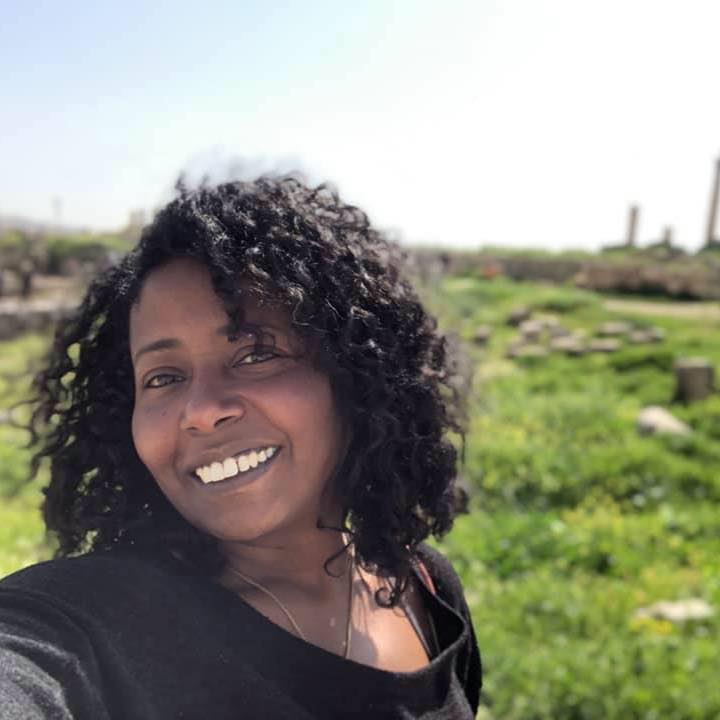
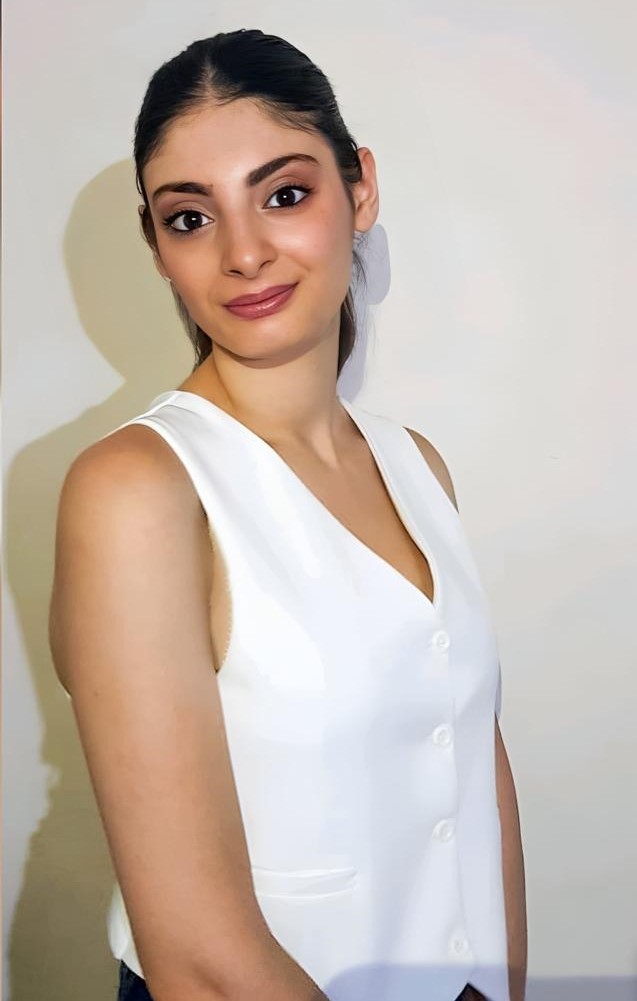
Hilda Saab is a public health professional with nearly five years of experience managing mental health and psychosocial support projects. She currently serves as Programs and Nassim Center Coordinator at the Lebanese Center for Human Rights (CLDH), overseeing rehabilitation services for survivors of torture and human rights violations. She holds a BSc in Public Health and Development Sciences and a Master’s in Public Health.
Jinane Abi Ramia holds a Master of Public Health from the American University of Beirut (2014) and is a PhD candidate at Vrije Universiteit Amsterdam, focusing on the implementation of digital mental health interventions in low-resource settings. As a public health and public mental health expert and the Research and MEAL Unit Coordinator at the National Mental Health Programme (NMHP) in Lebanon, she has spent over a decade working with governmental and non-governmental institutions to reform Lebanon’s mental health system. Jinane has played a pivotal role in designing and managing the Step-by-Step (SbS) digital intervention with NMHP, the World Health Organization, and partners contributing to the Ministry of Public Health receiving the 2023 UN Inter-agency Task Force Award on the Prevention and Control of NCDs. Her vision for MHPSS in the Middle East is to build quality, affordable, sustainable, relevant, and evidence-based services that are integrated into national health and social systems. She is particularly drawn to scalable, digital, and community-based interventions that ensure accessibility, efficiency, and long-term impact in low-resource settings.

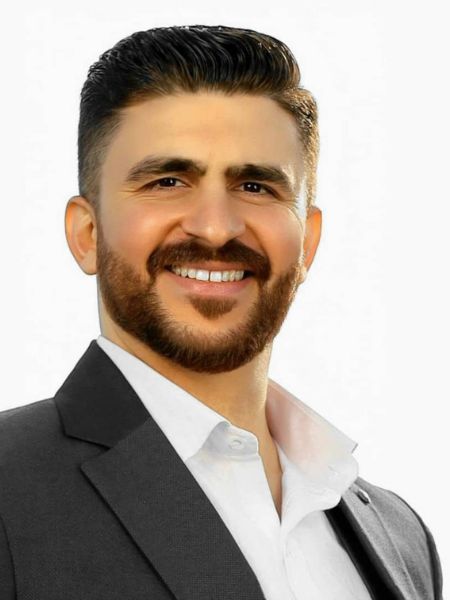
Majdy Aldoibal, M.Sc. in Clinical Psychology, born in 1990 in Syria, lives in Berlin, Germany. He has been working as a therapy coordinator in the Ilajnafsy program at the Center ÜBERLEBEN since 2019. He has extensive experience in the field of e-mental health, particularly in online diagnostics and writing-based interventions for PTSD, depression, and psychological counseling. His main areas of focus include the development of digital therapy formats, team coordination, and the implementation of trainings both online and in person. He also serves as project coordinator for an MHPSS training program for professionals in northern Syria.
Maram Almoadamani was born in Damascus, Syria, in 1995. She holds a B.Sc. in Psychology from the University of Ulm and lives in Berlin, Germany. Since October 2024, she has been working as a Project Officer for the Ilaajnafsy program at Center ÜBERLEBEN, where she also organizes the “Sanakun Bikhayr” program for women survivors of harassment and sexual violence. Maram has experience in mental health, particularly supporting Arabic-speaking adults with PTSD and depression, gained through her work at treatment centers for torture survivors and with children and youth at Caritas. She is currently planning to start a Master’s degree in Clinical Psychology and Psychotherapy.
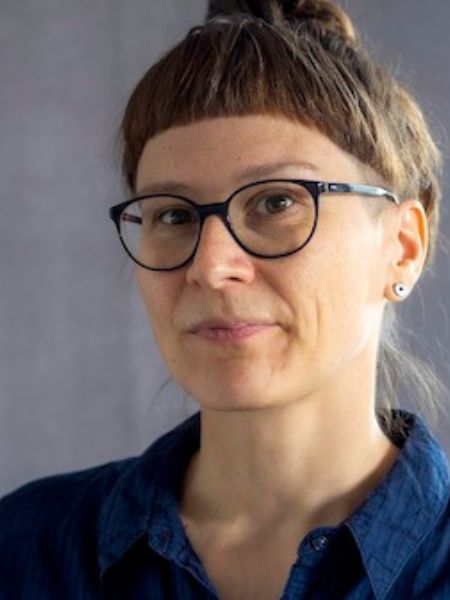
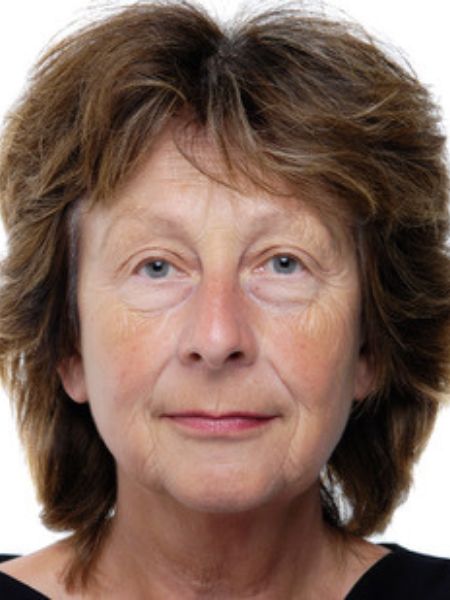
Prof. Dr. Maria Böttche is professor of E-Mental Health and Transcultural Psychology at the Freie Universität Berlin, Germany. She is also a psychological psychotherapist specialising in behavioural therapy. Her research focuses on internet-based therapies, psychotraumatology and transcultural clinical psychology. She is a board member of German-speaking Society of Psychotraumatologie (DeGPT) and of European Society of Trauma Stress Studies (ESTSS).
Dr. Mechthild Wenk-Ansohn, born in 1952, is living in Potsdam near Berlin/Germany. She is a medical doctor and psychotherapist and has specialized in psychotrauma-therapy (DeGPT) and supervision (DGSv/EASC).
From 1994 to 2018 she was staff member at the Berlin Center for the Treatment of Torture Victims (bzfo, now Center ÜBERLEBEN). From 2006 until May 2018, she was head of the outpatient department, for some time also head of the research department and of the department for children and youth of bzfo. Main focus of her work have been: diagnostics, medico-legal reports and psychotherapy with traumatized clients from various cultures, who have experienced torture or violence in wars/civil wars. She is member of the expert-group SBPM which has established standards for Germany for medical-legal expert opinions on psychotrauma for asylum claims and has also been member of an international expert group revising the Istanbul Protocol of the United Nations on documentation of torture and other human rights violations. She has conducted many trainings in the field of psychotraumatology and psychotherapy in intercultural settings and done numerous publications on torture sequalae, violence against women and diagnostics and treatment of trauma-reactive disorders in intercultural settings. After a training in clinical supervision in 2005 she has also been conducting supervisions and, since 2018 as independent expert, trainings in intervision and supervision, especially in the MENA-region including in Egypt, Iraq and, for the German International Cooperation (GIZ) in Turkey for Syrian MHPSS professionals. Currently she is also lecturer on MHPSS at the Akkon University for Applied Human Sciences in Berlin.
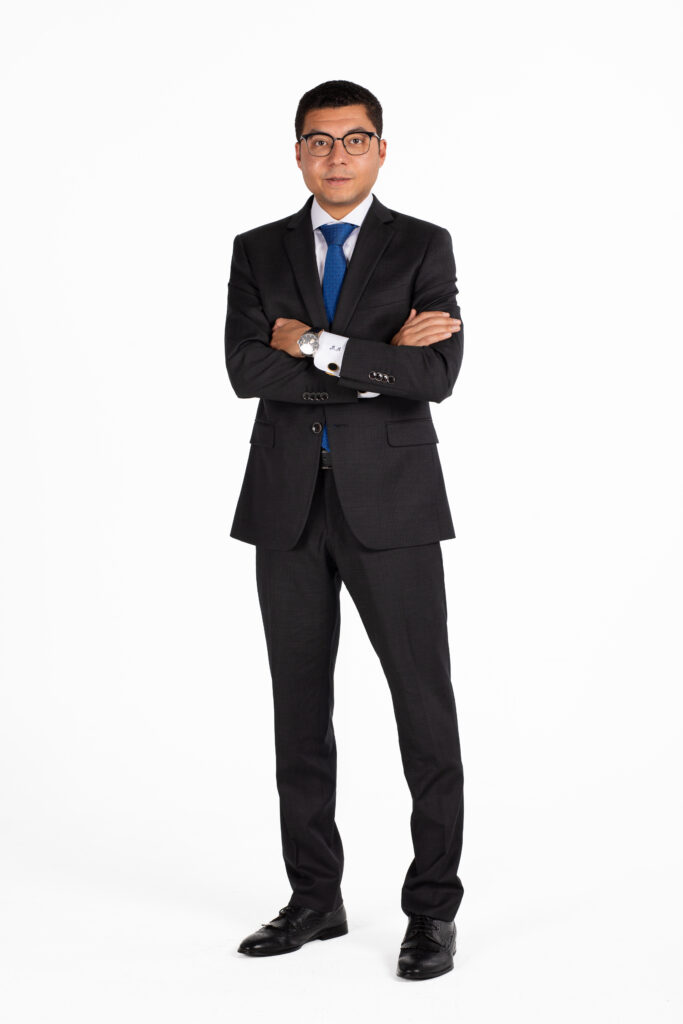
Mohamed Alaa is the CEO of Shezlong, the MENA region’s first and largest online therapy platform, serving 300,000+ people across 85 countries. A purpose-driven entrepreneur, he is dedicated to reshaping access to mental health, fostering economic collaboration, and empowering underserved communities. He has empowered 850+ mental health professionals, helped digitize wellness in hospitals and corporations, and is now building AI-powered tools to make mental wellness part of everyday life.
Beyond tech, Mohamed champions economic diplomacy and cross-border collaboration. As Secretary General of the Egyptian-Chinese Businessmen Association, he drives strategic partnerships that strengthen Egypt’s global ties. His bold vision for 2030: a world where no mind is left behind, and nations rise together, not just for trade or technology, but for humanity.
Dr Nawzad Sami is a specialist Psychiatrist and Scientific Director at M.therapy, a digital mental health Start Up in Iraq Kurdistan. He also serves as Mental Health Coordinator at Duhok Directorate of Health.
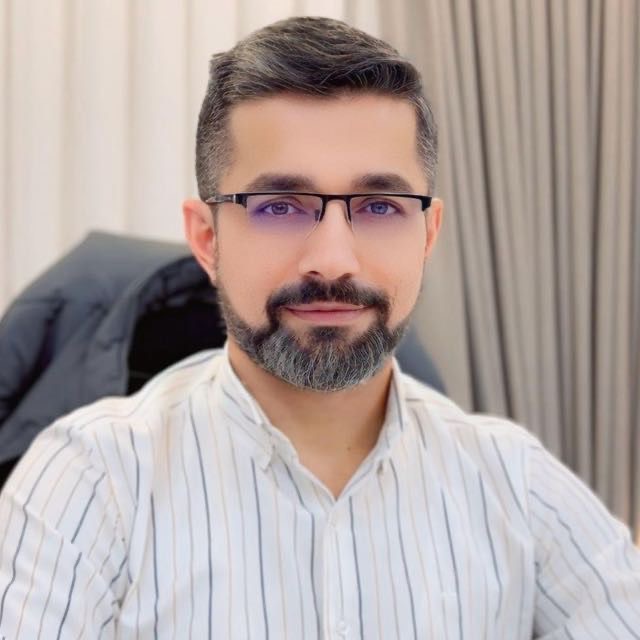
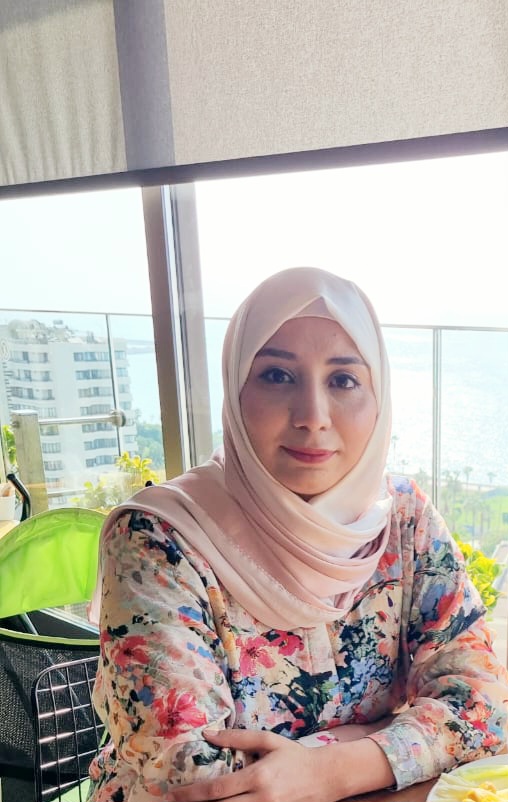
Noor Abdullah Alsagher is a Tele-mental Health Therapist/Trainer at the Center for Victims of Torture, providing specialized remote mental health support for survivors of war, torture, and gender-based violence. She delivers trauma-informed care and leads trainings for professionals and organizations across the region, working closely with human rights activists and journalists. Her focus includes self-care, resilience, and emergency response in crisis settings.
Pirko Selmo was born in Syria in 1984, he studied Communication and Media Sciences at the University of Damascus from 2003 to 2007. He then moved to Germany, where he pursued studies in Clinical Psychology and Psychotherapy. In 2023, he received his license as a cognitive behavioral therapist with a focus on Schema Therapy. Since 2013, he has been working in the field of research and the provision of digital mental health services. Since 2017, he has served as the supervisor of the Ilajnafsy team. He is currently working on his PhD, focusing on cultural adaptation and mechanisms of change in digitally delivered psychotherapy in Arabic.

Rania Zaatari is the Chief Executive Officer of Community Health Corps (CHC), the health sector of the Beirut Association for Social Development (BASD), a role she has held since 2023. With over two decades of leadership in social health services, Ms. Zaatari previously served as Social Health Services Manager at the Hariri Foundation for 17 years and as Director of the Makassed Communal Healthcare Bureau from 2017 to 2023. She has also worked as a consultant for various local and international organizations, contributing her expertise to health system strengthening, community development, and policy advisory work. She is the co-founder and President of “Dawaer,” a Lebanese NGO dedicated to empowering children and youth. Her contributions to social cohesion and public health include the publication of two anti-bullying guidelines and the development of a regional toolkit focused on guiding online dialogues, combating hate speech, and fostering respect for diversity.
Dr. Yasser Abu-Jamei is the General Director of the Gaza Mental Health Programme. A leading Palestinian psychiatrist, he obtained in 2012 MSc in Clinical Neuropsychiatry (with distinction) from Birmingham. In 2015 he received the award of best Alumnus achievement from the Said Foundation on his work in developing mental health sector in Gaza and the GCMHP crisis response plan after the 2014 war on Gaza. Since January 2014, Dr Abu Jamei is the director general of Gaza Community Mental Health Programme, a leading mental health services provider in Palestine. He recently coauthored few papers that looks into integrating public health and human rights approach into mental health in the Gazan context. In 2020, with a group of Palestinian mental health professionals he cofounded the Palestine Global Mental Health Network. He is certified as a Trainer of Trainers in the field of supervision and care for caregivers from the Free University of Berlin.

Dr. Yosra Morsy is a licensed clinical psychologist and a certified trainer from Ain Shams University, as well as an international trainer on the Mindscape Global platform. ٍShe also provides psychological therapy services through the Shezlong platform, remotely. She has extensive experience in therapeutic modalities including Cognitive Behavioral Therapy (CBT), Dialectical Behavior Therapy (DBT), and Schema Therapy. Dr. Morsy holds a Master’s degree in Clinical Psychology (2019) and is currently pursuing a Ph.D. in Clinical and Cognitive Psychology. She is a member of the American Psychological Association (APA), the International Society for Schema Therapy (ISST), and inventor member of the Egyptian Inventors Association. Dr. Morsy combines science, training, and innovation to support mental health and promote psychological resilience.
Ziyaad Jamal Abdalla is a dedicated advocate for refugee rights with extensive experience in legal support and community-based initiatives. From 2020 to 2022, he served as a Paralegal Officer, providing vital legal assistance to refugees and asylum seekers, helping them understand their rights and navigate complex legal procedures. Since 2023, he has been the Director of the Ethiopian Refugees Community in Egypt (ERCIE), where he leads efforts to coordinate services, partner with humanitarian organizations, and advocate for refugee well-being. In 2024, he also took on the role of Sport and Culture Sub-Committee Focal Point at the United Refugees Network (URN), where he promotes inclusion and community engagement through cultural and youth-led activities.
Why Attend?
Engage with Experts & Professionals
Gain insights from leading organizations and professionals in the field of digital mental health working in the region
Explore Regional
Insights
Learn about the latest research on digital mental health in SWANA, presented by high-ranking researchers
Participate in workshops
Collaborate in small workshops to exchange best-practices on e-mental health and staff care
Contribute to the Future of E-Mental Health
Help shape discussions on topics such as accessibility, staff care and future directions in e-mental health
Who is behind the conference?
The conference is hosted by Zentrum ÜBERLEBEN’s Ilajnafsy project. Zentrum ÜBERLEBEN is a Berlin-based organization that offers psychosocial support to individuals affected by war, displacement, and trauma. Since 2008, their Ilajnafsy program has provided evidence-based, online treatments for trauma-related conditions like PTSD and depression to Arabic-speaking individuals worldwide. The program uses a cognitive-behavioral approach, with writing therapy as a key component. The therapeutic method, known as Interapy, was culturally adapted and translated into Arabic. Additionally, Ilajnafsy has developed a writing-based counseling program and a psychoeducational self-help program for women who have experienced sexual violence.
You Are Indispensable to this Conference if you are a:
Expression of Interest
Interested in joining the conversation? Please express your interest and indicate your preferred participation modality – whether online or in-person. The team at Zentrum ÜBERLEBEN will review all submissions and confirm in-person participation for selected attendees.
Conference attendance is free of charge. Accommodation and travel expenses can be covered upon request.
📆 Deadline for workshop contributions: April 20, 2025 – CLOSED
📆 Deadline for in-person participation: April 30, 2025 – CLOSED
📆 Deadline for online participation: July 9, 2025 – CLOSED
Participation Modalities:
- Workshop Facilitation – contribute with a workshop on one aspect of digital mental health services in SWANA. Topics could be effectiveness of online therapies, staff care in a digital setting, the future of e-mental health i.e. AI solutions, or another area of expertise
- In-Person in Cairo – Engage directly with speakers, panelists, and attendees
- Online Participation – Fully interactive virtual experience with access to keynotes and live sessions
For inquiries, do not hesitate to contact us at ilajnafsy-events@ueberleben.org
Supported in kind cooperation with